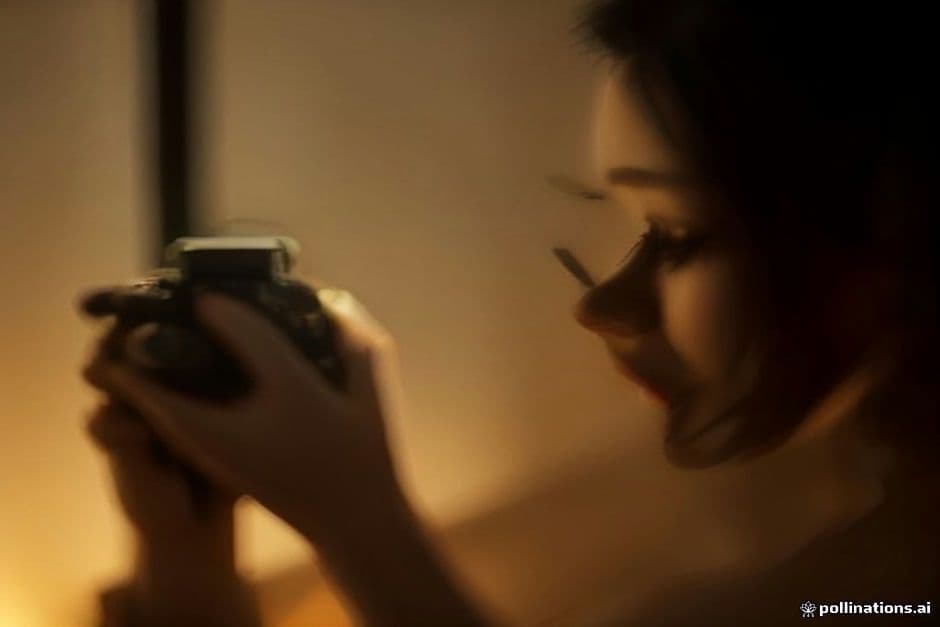

Master the exposure triangle with YOU Magazine's ultimate guide. Learn aperture, shutter speed, and ISO for stunning fashion and wedding photography.
Top 4 Key Takeaways & Golden Rules for Creators
- The Balance: Aperture, Shutter Speed, and ISO work together like a mechanical triad to control light.
- Creative Control: Aperture manages depth of field, Shutter Speed controls motion, and ISO regulates sensor sensitivity.
- The Tropical Challenge: Sri Lanka's intense midday sun requires precise ISO control (keep it low!) and fast shutter speeds.
- Practice Makes Perfect: Test your understanding instantly using the YOU Magazine Interactive Camera Simulator.
Whether you are capturing high-fashion avant-garde looks on a bustling Colombo runway, documenting a breathtaking, candle-lit hill country wedding in Nuwara Eliya, or framing golden-hour portraits against the historic ramparts of Galle Fort, mastering your camera's manual settings is non-negotiable. At the heart of professional image-making lies the exposure triangle—a fundamental concept that transforms you from a casual shooter into a deliberate, artistic creator. Welcome to YOU Magazine's definitive masterclass on conquering light.
The Core Mechanics of the Exposure Triangle
Imagine your camera sensor as a bucket collecting rainwater. The exposure triangle represents the three ways you control how much water (light) gets into the bucket, and how cleanly it is collected. If any one of these three elements—Aperture, Shutter Speed, or ISO—is altered, the other two must compensate to maintain a perfectly exposed image. For deeper technical dives, explore our comprehensive Photography A-Z Educational Guides.
1. Aperture: Controlling Depth of Field
Aperture refers to the physical opening inside your camera lens through which light passes, measured in f-stops (e.g., f/1.8, f/4, f/16).
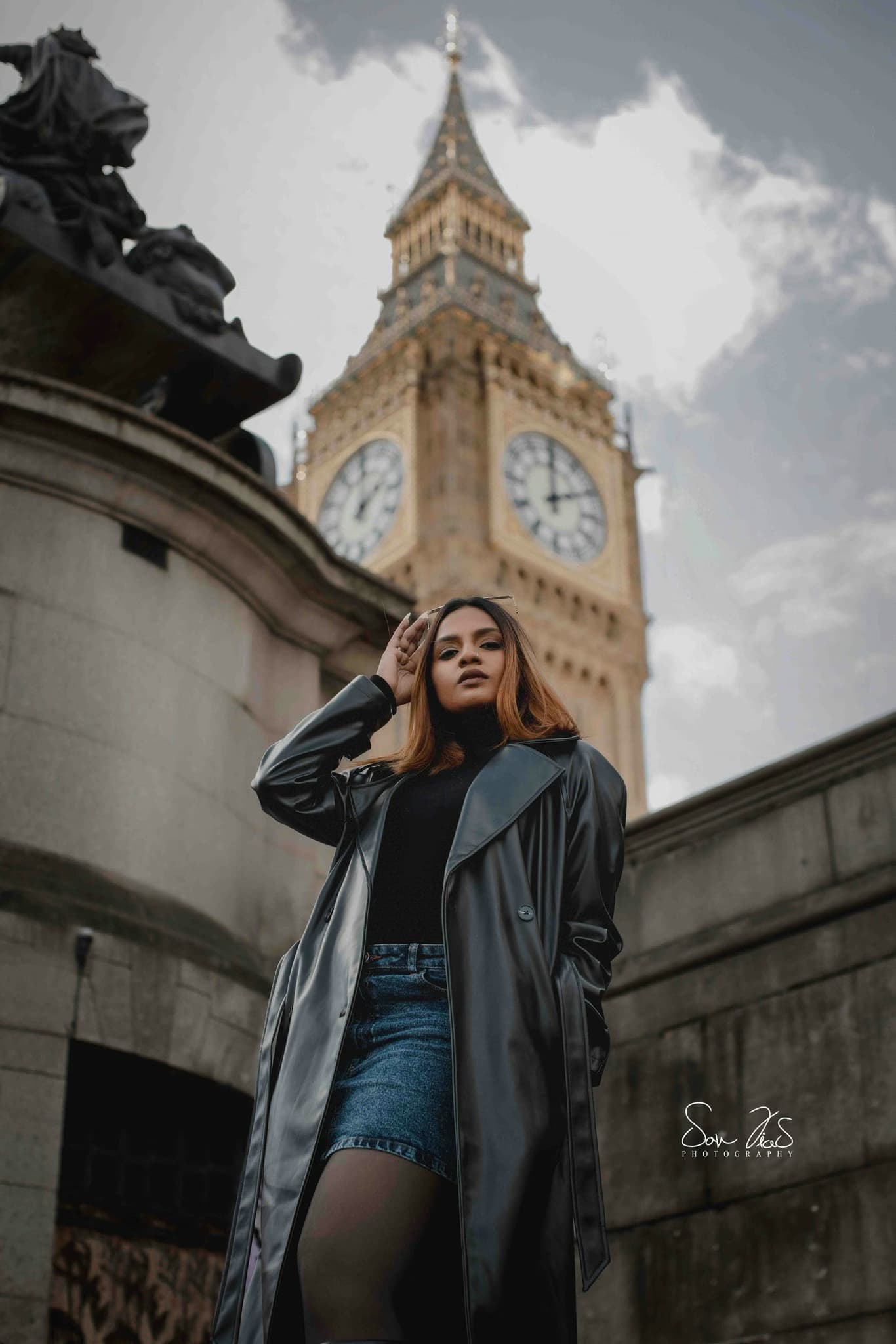
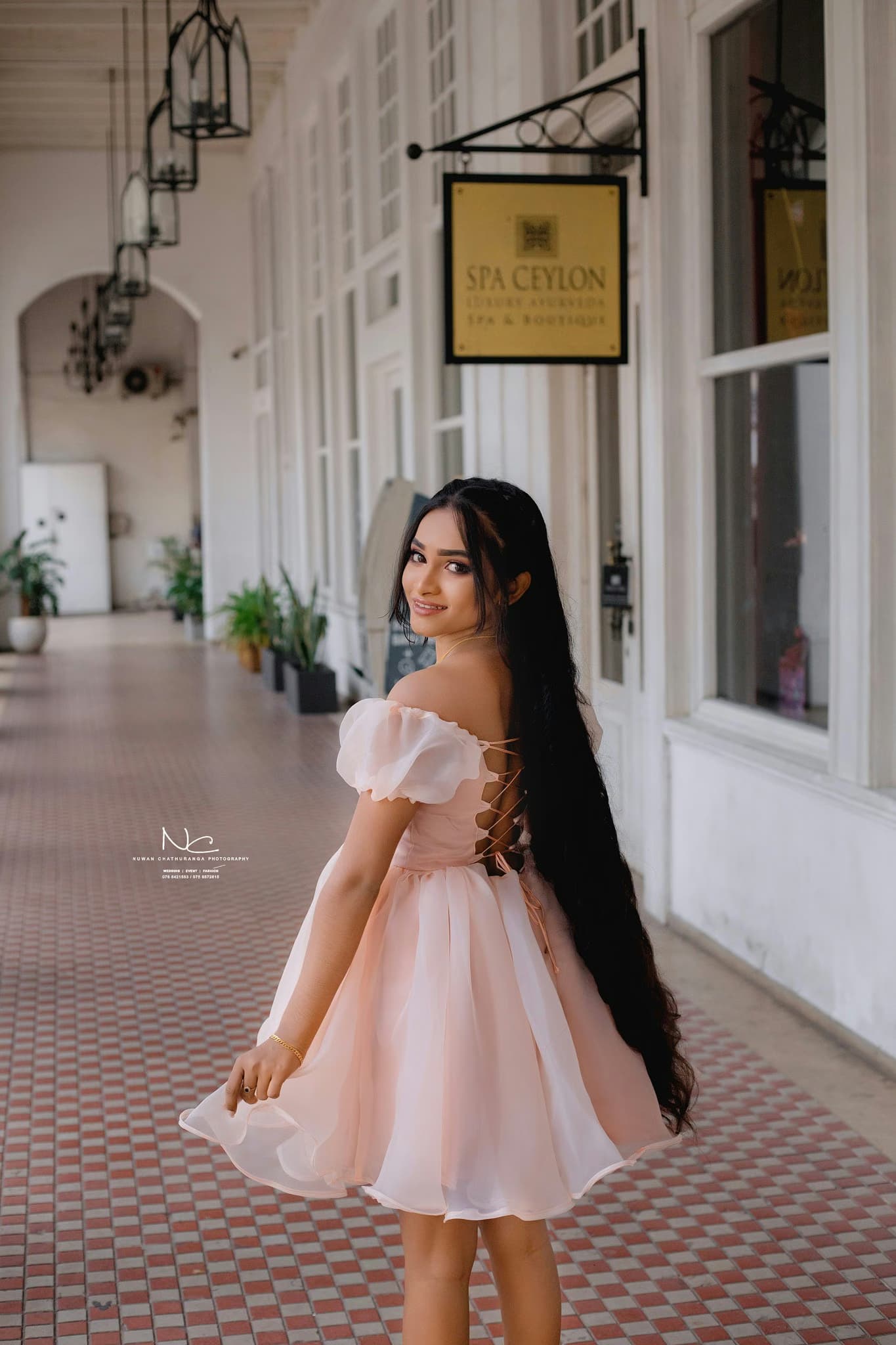
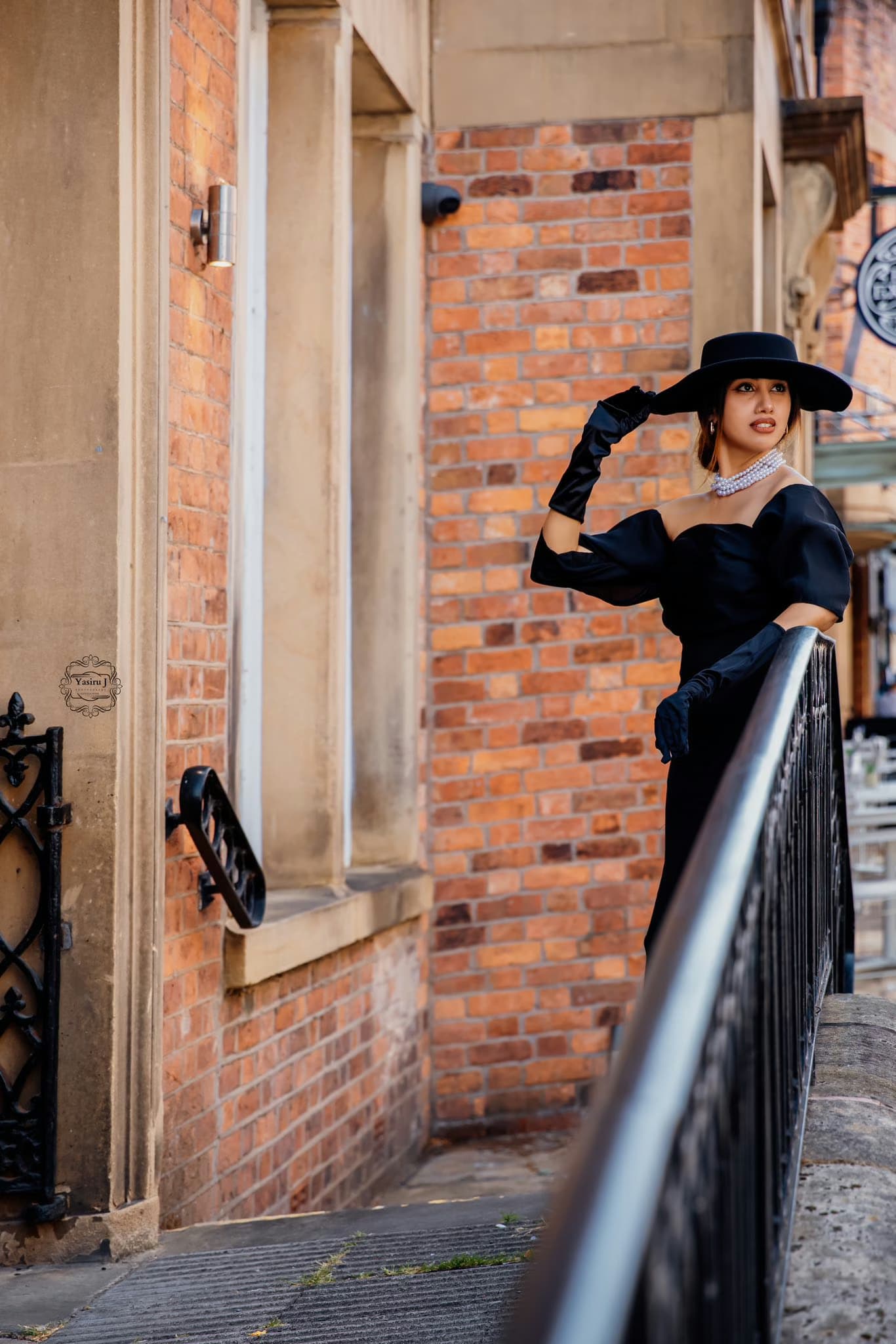
- Wide Apertures (Low f-numbers like f/1.4 or f/2): Let in a massive amount of light and create a gorgeous, creamy background blur (bokeh). This is a staple technique in our YOU Magazine Fashion & Model Portfolios to make subjects pop off the page.
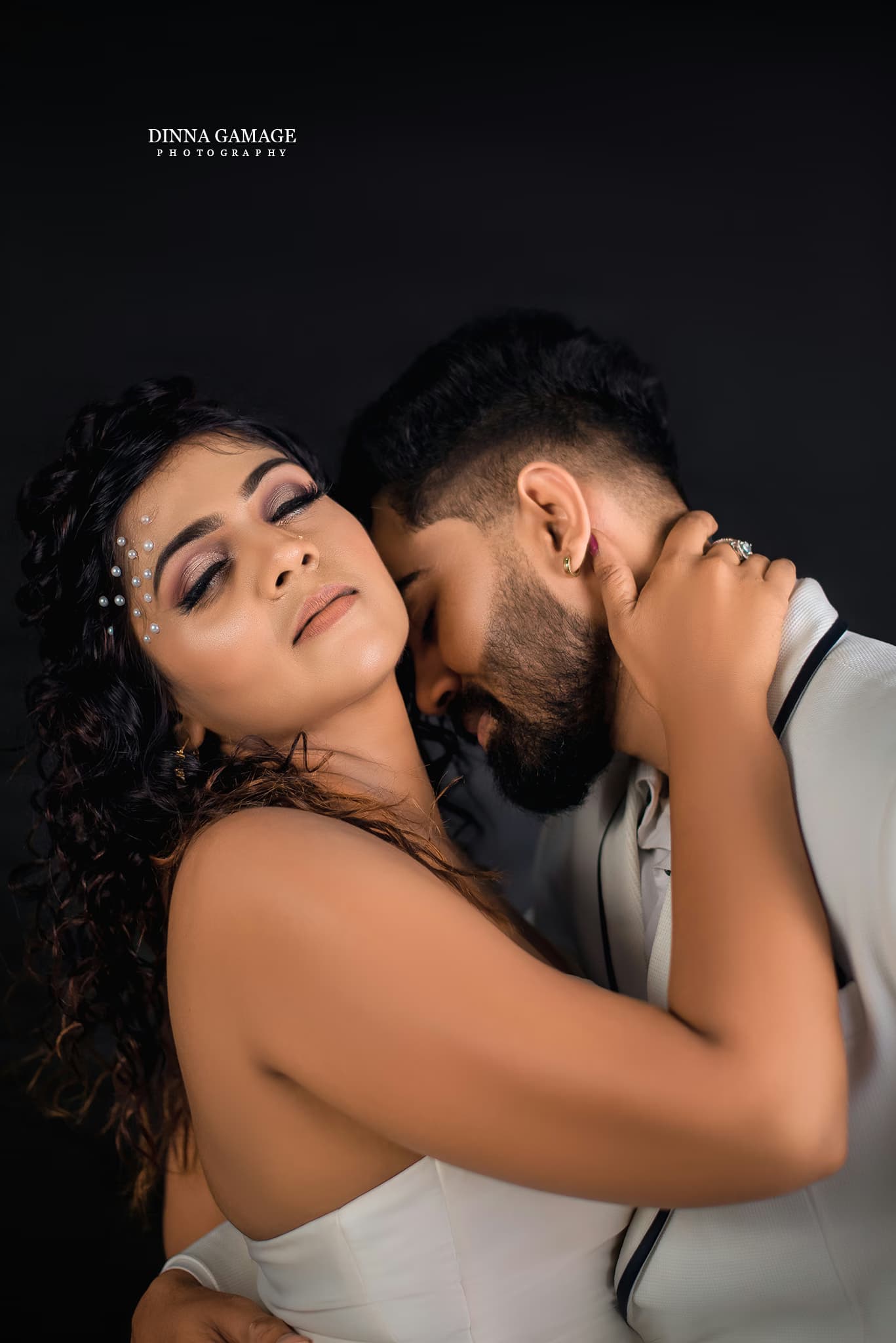
- Narrow Apertures (High f-numbers like f/11 or f/16): Restrict light but keep almost the entire frame in sharp focus, making them ideal for sprawling landscapes or complex Wedding Highlights & Editorial Features.
2. Shutter Speed: Freezing Time or Blurring Motion
Shutter speed is the duration for which your camera's digital sensor is exposed to light. Measured in seconds or fractions of a second (e.g., 1/500s or 1/30s), it dictates how motion is captured.
- Fast Shutter Speeds (1/1000s and above): Instantly freeze fast-moving action, such as a model's flying fabric during a dynamic outdoor fashion shoot.
- Slow Shutter Speeds (1/30s and below): Introduce intentional motion blur, perfect for silky waterfalls in Sri Lanka's central highlands or artistic evening light trails in Colombo. For official gear specifications, consult the Canon Learning Library.
3. ISO: Digital Light Sensitivity
ISO measures your camera sensor's sensitivity to light. Ranging typically from ISO 100 to 6400 and beyond, it acts as your final tool when aperture and shutter speed can no longer compensate for dark environments.
- Low ISO (100–400): Delivers crisp, pristine image quality with virtually zero digital noise. Ideal for bright outdoor daylight.
- High ISO (1600+): Brightens indoor or night scenes instantly, though it introduces digital grain. Learn more about sensor dynamics via Nikon's Photography Guides.
Comparative Technical Reference Table
| Camera Setting | Primary Function | Creative Effect of Low Setting | Creative Effect of High Setting |
|---|---|---|---|
| Aperture | Controls lens opening size and light volume | Deep focus / Sharp background (f/16) | Shallow focus / Creamy bokeh (f/1.8) |
| Shutter Speed | Controls duration of light exposure | Motion blur / Artistic trails (1/4s) | Frozen action / Crisp sharpness (1/2000s) |
| ISO | Amplifies sensor light signal electronically | Pristine quality / Zero grain (ISO 100) | Bright image / Digital noise/grain (ISO 6400) |
Pro Tips: Conquering Tropical Light & Field Challenges
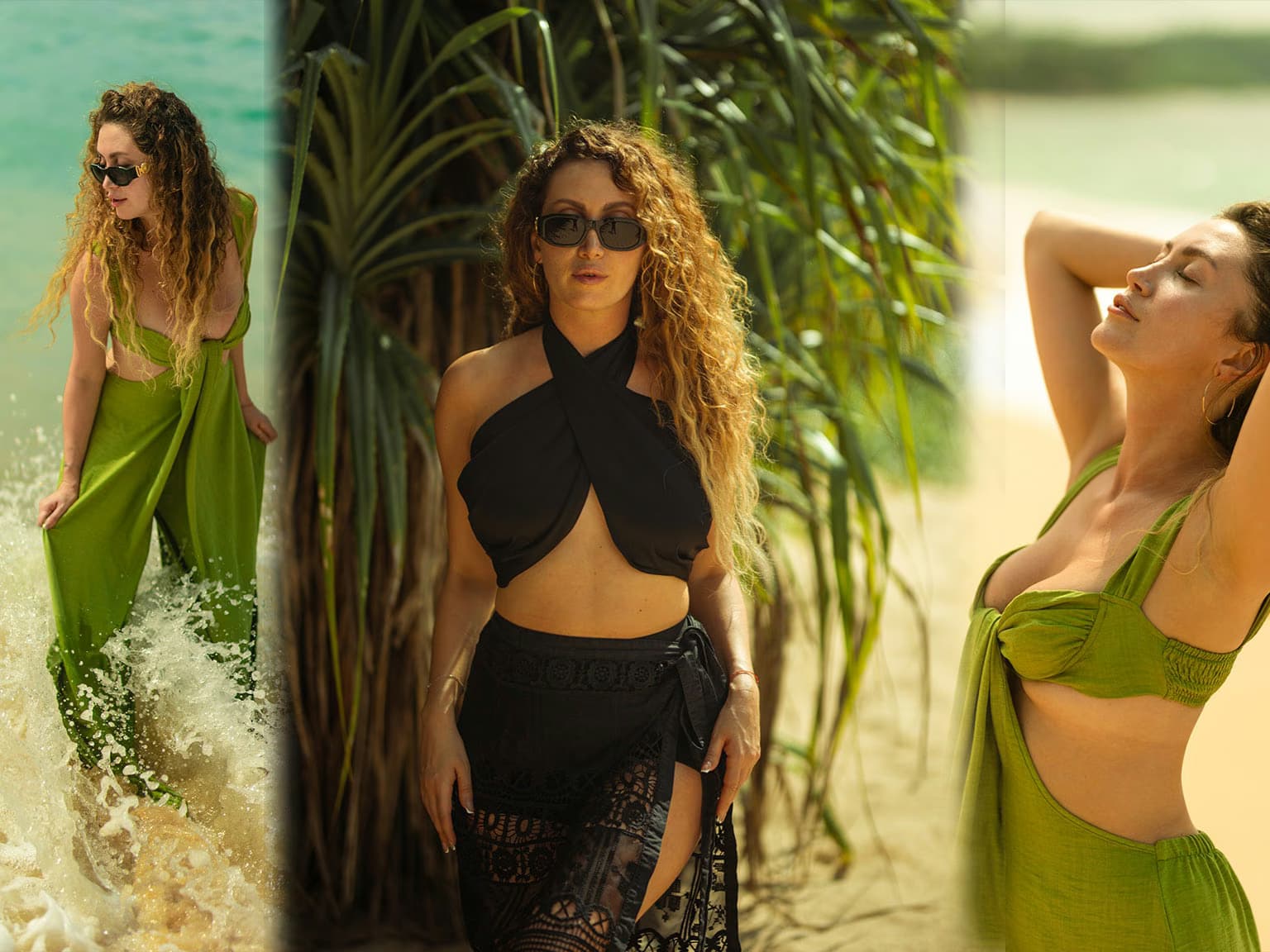
- Harsh Midday Sun: Sri Lanka's equatorial sunlight is intensely bright. Keep your ISO at 100 and invest in a quality Neutral Density (ND) filter so you can shoot wide-open at f/1.4 even at noon without overexposing your images.
- Prime Lenses: Equip a 50mm or 85mm prime lens for editorial portraiture to maximize light collection and subject isolation.
- Stabilization: If shooting weddings in dimly lit reception halls, master hand-holding techniques or utilize a monopod to drop your shutter speed safely without motion shake.
Step-by-Step Practical Workflow
- Assess the Ambient Light: Determine whether you are shooting in blazing outdoor sun or deep shadow. Set your base ISO to 100.
- Establish Your Creative Priority: Decide if you need background blur (set your aperture first) or motion control (set your shutter speed first).
- Balance the Exposure Meter: Adjust the remaining variable until your camera's internal light meter hits the central '0' mark.
- Test and Refine: Take a test shot, inspect the histogram for clipped highlights, and fine-tune your settings before capturing your definitive editorial masterpiece.
Conclusion & Next Steps
Mastering the exposure triangle takes patience, experimentation, and an intimate understanding of how your gear responds to light. Now that you have the foundational knowledge, put it into practice! Test your skills risk-free on our YOU Magazine Interactive Camera Simulator, browse stunning visual inspiration in our Fashion Portfolios, and continue your educational journey with our Photography A-Z Educational Guides.

Comments